
Vegetarian and Vegan Indian Food in Hobart
Indian cooking has a deeper vegetarian tradition than almost any cuisine on earth. Here is how to eat well at an Indian table if you are vegetarian, vegan or gluten-free - and what to actually ask for.
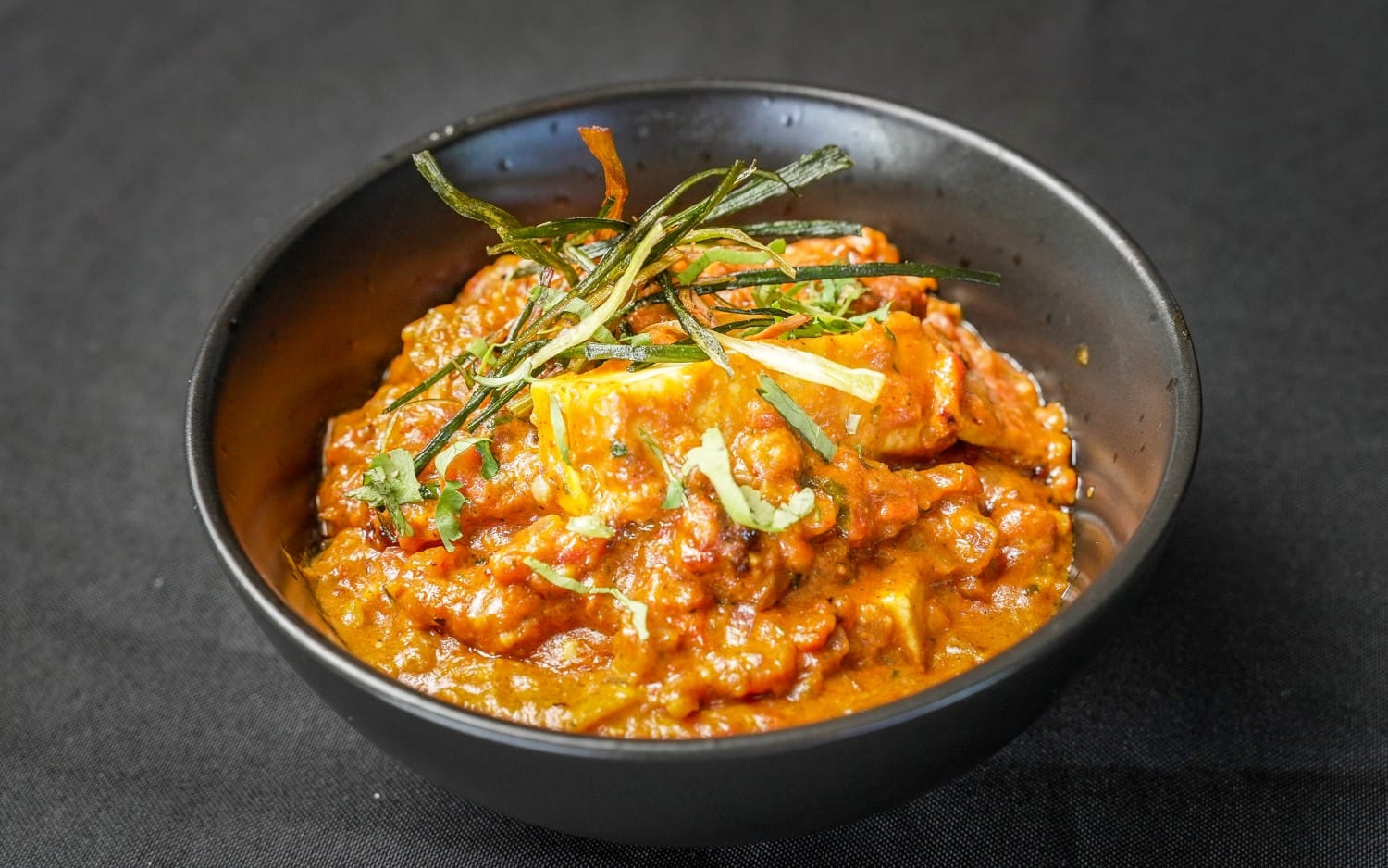
A large part of India has eaten vegetarian food for centuries - not as a substitution, but as the default. That matters when you are choosing where to eat. At most restaurants a vegetarian menu is a shorter version of the real one. At an Indian restaurant, the vegetarian dishes are often the ones the kitchen is proudest of.
This guide covers what works, what to check, and how to ask for it - whether you are vegetarian, vegan, dairy-free or avoiding gluten.
Vegetarian: you have the run of the menu
Paneer - fresh pressed cheese - carries a lot of the vegetarian side of a North Indian menu, and it holds up to both the tandoor and a long-simmered gravy. Legumes do the rest. A properly made black lentil dal is cooked for hours; it is not a side dish that happens to be vegetarian, it is one of the great dishes of the cuisine.
Vegetarian dishes worth ordering
- Malai KoftaVegetarian
Potato and cottage cheese dumplings in a tomato and cardamom sauce. Rich, gentle, a good entry point.
- Black Lentil DalVegetarian
Slow-cooked black lentils. The dish to judge any Indian kitchen by.
- Paneer TikkaVegetarianGluten free
Marinated paneer straight from the tandoor. Smoky rather than saucy.
- Basil Cottage CheeseVegetarian
Served with mint sauce. Lighter than most paneer starters.
Vegan: the question is dairy, not meat
This is where people get caught out. A dish can be entirely meat-free and still contain three dairy products. Cream and yoghurt go into many North Indian gravies, ghee is clarified butter, and paneer is cheese. Naan is usually made with milk or yoghurt, and often brushed with butter.
The good news is that the vegan-friendly end of Indian cooking is enormous - it is most of South Indian and much of everyday home cooking. Chickpea, lentil and vegetable dishes built on an onion-tomato base are naturally vegan, and a kitchen that cooks them properly can usually adapt others by swapping oil for ghee and leaving out the cream finish.
Gluten-free: better than you expect
Most Indian curries are thickened with onion, tomato, nuts or the lentils themselves rather than with flour, so a large part of the menu is gluten-free before anyone adapts anything. Rice is the default accompaniment across much of India.
- Naan contains gluten - it is a wheat bread. Rice is the straightforward swap.
- Ask about the tandoori marinades - most are yoghurt and spice, but check.
- Samosas and pakoras differ - samosa pastry is wheat; pakora batter is usually chickpea flour and often fine.
- Flag coeliac specifically. "Gluten-free preference" and "coeliac" are different problems for a kitchen. Say which one you mean.
Eating as a mixed table
Indian food is built for this, and it is the reason it works so well for groups where everyone eats differently. Dishes arrive together and are shared, so a vegan guest is not sitting behind a single plate while everyone else passes things around. Order two or three shared vegetable dishes for the middle of the table and nobody is eating a compromise.
Frequently asked questions
- Does Indian Culture have vegan options?
- Yes. A substantial part of our menu is vegetarian, and many dishes can be prepared vegan on request. Please tell us when you book so the kitchen can plan properly.
- Is Indian food gluten-free?
- Much of it is. Most curries are thickened with onion, tomato, nuts or lentils rather than flour, and rice is the standard accompaniment. Breads such as naan contain wheat. Always tell the restaurant if you are coeliac rather than gluten-avoiding.
- Is paneer vegan?
- No. Paneer is a fresh cheese made from milk, so it is vegetarian but not vegan. Look to chickpea, lentil and vegetable dishes instead, and ask for them to be cooked with oil rather than ghee.
- Can you cater for a mix of dietary needs at one table?
- Yes - shared dishes make this straightforward. Let us know the full picture when you book a table and we will build the order around it.
- Vegan
- Vegetarian
- Gluten free
- Dietary
Pooja Dureja
Head Chef & Co-Founder
Pooja co-founded Indian Culture with her husband Mohit and leads the kitchen. She cooks regional Indian food with Tasmanian produce, and is happiest explaining why a dish is built the way it is.
Come and eat with us
Award-winning Indian fine dining on Salamanca Place. Instant confirmation, no prepayment, no booking fee.
Keep reading
How Spicy Is It? A Guide to Indian Spice Levels
The most common question we get, and the most misunderstood. Spice and heat are not the same thing, and knowing the difference changes how you order.
Where to Eat Near Salamanca Market: A Saturday Guide
Salamanca Market runs every Saturday from 8:30am to 3pm, and the whole precinct fills up with it. Here is how to plan your eating around the day rather than fighting it.