
How Spicy Is It? A Guide to Indian Spice Levels
The most common question we get, and the most misunderstood. Spice and heat are not the same thing, and knowing the difference changes how you order.
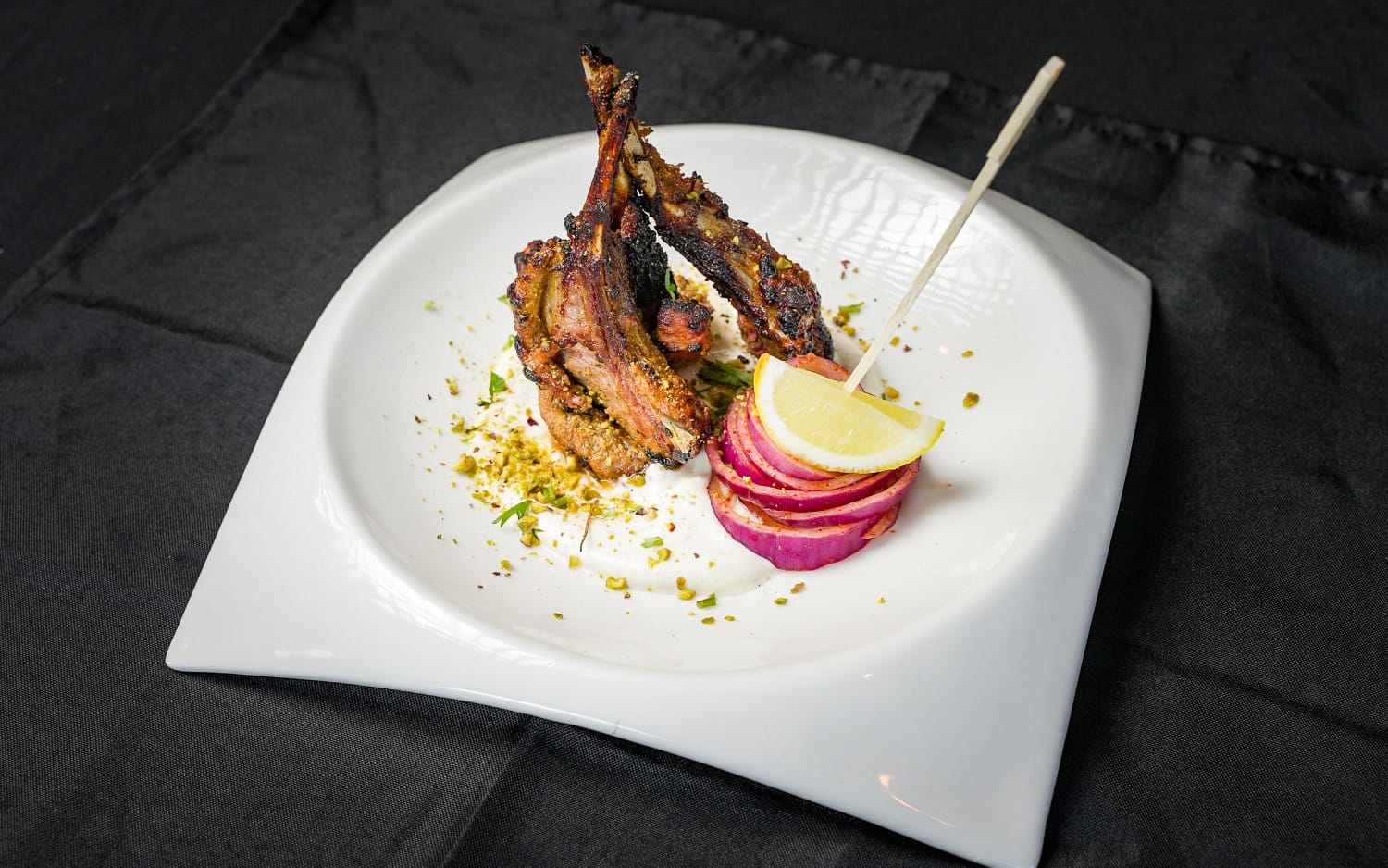
People ask us this before they ask anything else, and it usually comes with an apology attached. There is no need for one. It is a reasonable question, and the honest answer is that "mild, medium, hot" is a blunt instrument for something much more interesting.
Spice and heat are different things
This is the distinction that matters. Heat comes from chilli - capsaicin, the burn. Spice is the whole aromatic vocabulary: cardamom, cumin, coriander, cinnamon, clove, fenugreek, black pepper, mustard seed, asafoetida.
A dish can be intensely spiced and carry almost no heat. A Kashmiri rogan josh has a long list of spices and gets its deep red colour from Kashmiri chilli, which is prized precisely because it colours beautifully without much burn. Conversely, a dish can be very hot and quite simple.
When people say they do not like spicy food, they almost always mean they do not like the burn. That is a much smaller thing to work around than it sounds.
What the levels usually mean
These vary between restaurants - there is no standard - but as a rough guide:
- Mild - Full spice, no real heat. You will taste everything. Suitable for children and for anyone who finds black pepper assertive.
- Medium - A warmth that builds and fades. Present, but it will not interrupt conversation. This is where most people land.
- Hot - Heat becomes a feature of the dish rather than a background note. You will notice it throughout.
- Indian hot - Ask before ordering it. Some kitchens mean it.
Which dishes are naturally where
A rough map
- Butter chicken, malai kofta, shahi paneer
Naturally mild. Built on cream, cashew or tomato. Spiced, not hot.
- Rogan josh, biryani, most tandoori dishes
Middle ground. Aromatic and layered, with warmth rather than burn.
- Vindaloo, chilli chicken, most "spicy" curries
Built around chilli. The heat is the point of the dish.
If it is too hot
Dairy, not water. Capsaicin does not dissolve in water, so a glass of it moves the burn around rather than removing it. Yoghurt, raita, a lassi or plain rice all work. Bread helps. Cold beer does less than people hope.
Order at the level you will actually enjoy
There is no prize for ordering hot. The kitchen is not judging you, and a dish eaten at a level you enjoy is a better dish than one you endure. If you are ordering for a table, go a notch below where you think the group sits - chilli on the side is easy, and taking it out is impossible.
Frequently asked questions
- Can you make dishes milder or hotter on request?
- Yes, we cook to order and can adjust the heat on most dishes. Tell us when you order, or add a note when you book a table.
- Is Indian food always spicy?
- No. Indian cooking is heavily spiced, but spice and chilli heat are not the same thing. Many classic dishes - butter chicken, malai kofta, shahi paneer - are aromatic and rich with very little heat.
- What helps when a dish is too hot?
- Dairy. Yoghurt, raita or a lassi will cut the burn because capsaicin dissolves in fat, not water. Plain rice and bread help too; water does not.
- Do you have mild options for children?
- Yes. Several dishes are naturally mild, and others can be cooked without chilli. Let us know when you order.
- Spice
- Ordering
- Indian cooking
Pooja Dureja
Head Chef & Co-Founder
Pooja co-founded Indian Culture with her husband Mohit and leads the kitchen. She cooks regional Indian food with Tasmanian produce, and is happiest explaining why a dish is built the way it is.
Come and eat with us
Award-winning Indian fine dining on Salamanca Place. Instant confirmation, no prepayment, no booking fee.
Keep reading
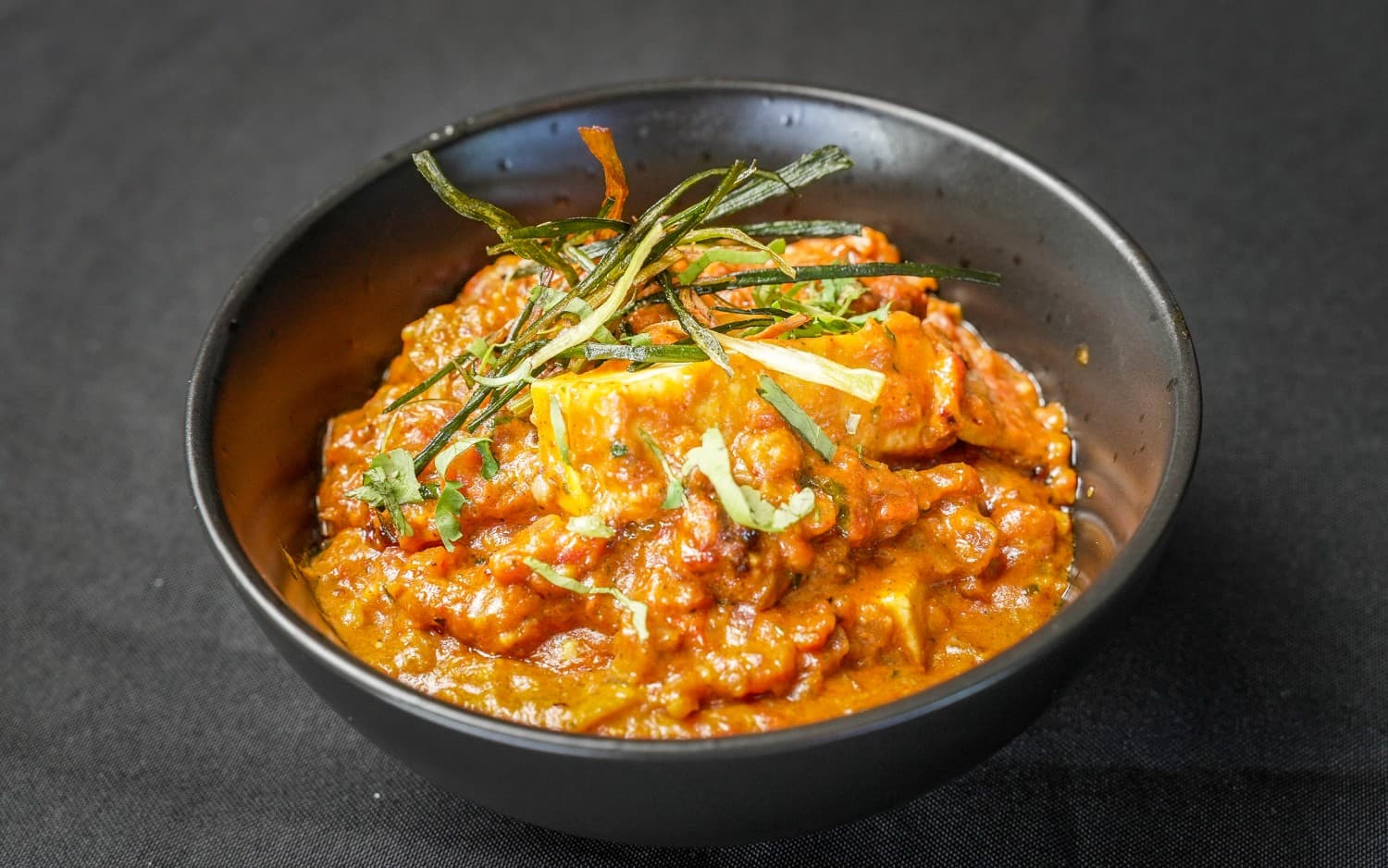
Vegetarian and Vegan Indian Food in Hobart
Indian cooking has a deeper vegetarian tradition than almost any cuisine on earth. Here is how to eat well at an Indian table if you are vegetarian, vegan or gluten-free - and what to actually ask for.
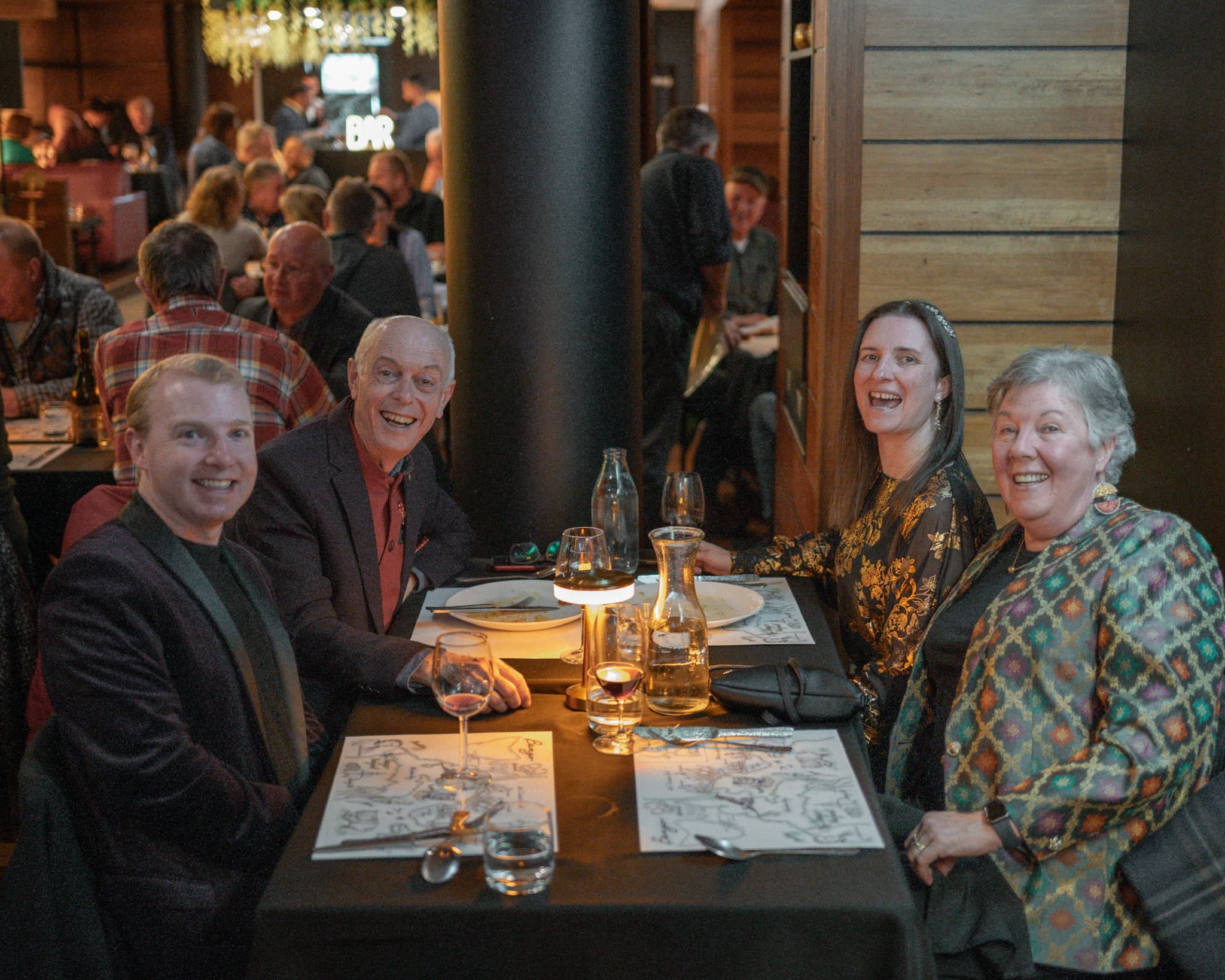
Where to Eat Near Salamanca Market: A Saturday Guide
Salamanca Market runs every Saturday from 8:30am to 3pm, and the whole precinct fills up with it. Here is how to plan your eating around the day rather than fighting it.